Dependable Roofing Moncton
You'll want Moncton roofing experts who engineer solutions for freeze-thaw, Petitcodiac winds, and heavy precipitation. Verify CSA‑aligned setups: high-impact shingles, SBS‑modified ice/water shields with maximum adhesive power, corrosion-resistant flashings, Class H wind ratings, and corrosion‑proof fasteners. Demand calibrated ventilation, comprehensive attic analysis, and visually documented QA. Insist on transparent, itemized estimates, manufacturer registration, and transferable workmanship warranties. Crews should offer emergency tarp/steam de‑icing and service plans that protect your warranty. Here's how to choose with confidence next.
Essential Points
- Regional Moncton experience: engineered for extreme environmental elements, including freezing and thawing patterns, strong Petitcodiac winds, and winter ice accumulation, utilizing proper gradient specifications, effective ventilation systems, and weather-resistant materials.
- Incorporates SBS-enhanced membrane systems, anti-corrosion flashings and fasteners, and high-grade H-class shingles designed for coastal oxidation and high wind conditions.
- In-depth inspections featuring attic and roof assessments, infrared-based moisture detection, air circulation analysis, and CSA and manufacturer-specified installation verification lists.
- Emergency services and response: swift temporary protection and sealing, ice removal via steam treatment, thorough photographic evidence for claims, and organized repair sequences with specific time estimates.
- Transparent workflows showcase comprehensive pricing, planned maintenance, visual documentation and warranty registration with transferable workmanship and manufacturer warranties.
The Importance of Local Roofing Expertise in Moncton
Because of Moncton's particular microclimate is tough on roofs, regional experience significantly affects installation planning, product choices, and warranty performance. You need a contractor who is familiar with freezing and thawing patterns, wind exposure along the Petitcodiac, and seasonal precipitation that causes ice dam formation. Regional specialists establish proper slopes, underlayments, and ventilation to handle moisture loads and thermal movement.
The team will select components tested for Moncton-impact-rated shingles, specially modified membranes, corrosion-resistant fasteners, and enhanced snow eaves protection-so your roof meets local regulations while maintaining performance. Teams schedule work around shoulder-season conditions, implementing winter-grade adhesives and suitable torch restrictions for secure installation.
Experienced organizations carefully adjust upkeep timing and product enrollment to ensure warranty coverage in this environment. You get fewer service requests, steady maintenance costs, and validated compliance right from the start.
Signs You Need Roof Repair or Replacement
It's important to treat ongoing water intrusion as a structural red flag, rather than a simple nuisance, as water penetration damages structural components and building materials. When you spot deteriorating roof conditions, you're seeing compromised protection that subjects building components vulnerable to weather damage. Our team will evaluate your roofing components, measure the extent of problems, and determine whether specific repairs or total replacement offers the most cost-effective solution.
Continuous Indoor Water Problems
Persistent indoor leaks often indicate major structural issues beyond a simple maintenance concern. When water stains appear on ceilings, window heads, or partition joints, you're probably facing damaged roof layers, deteriorated flashing, or broken membranes—rather than simple surface water. Continuous leaks following mild precipitation show channels that penetrate past roof covering and saturate sheathing and insulation.
It's important to document and track leak locations, timing, and severity. We'll utilize infrared scanning and moisture meters to trace moisture migration, examine penetrations, valleys, and eaves, and evaluate attic ventilation that can contribute to condensation and hidden mold. If not addressed, moisture problems can weaken hardware, damage materials, and diminish insulation properties, leading to higher energy expenses and potential structural failure. We'll suggest specific repair solutions or complete replacement options based on slope, assembly type, and remaining service life, protecting interiors and finishes.
Curled and Missing Roof Shingles
Regular inspections of the shingle field quickly reveal trouble indicators: tabs missing from wind uplift, thermal cycling causing edge deformation, or cupping from trapped moisture. When shingles go missing or deform, you expose underlayment, fasteners, and roof decking to sunlight and precipitation. You'll also lose wind rating because adhesive bonds and nail pull-through resistance are compromised.
Act quickly. Swap out missing shingles, fix loose shingle tabs, and fix improper ventilation that leads to thermal cycling. Inspect roof flashing where surfaces meet and at openings; deteriorated or corroded flashing speeds up shingle deterioration and enables leaks. Check for granule deterioration near downspouts-exposed shingles deteriorate faster and curl up earlier.
When defects are widespread, localized repairs won't suffice. The best approach involves systematic roof replacement, upgraded underlayment, and reinforced edge metal to return the roof to optimal condition and resistance to wind forces.
Picking the Ideal Materials for Oceanside Weather
As coastal weather systems drive salt-laden wind, freeze-thaw cycles, and driving rain across Greater Moncton, material selection becomes a matter of survival, not style. It's essential to have components that resist corrosion, water, and temperature variations without premature failure. Select salt resistant shingles with enhanced backing, polymer-enriched asphalt, and anti-corrosion fasteners to prevent material breakdown and maritime wear. Use freeze thaw membranes engineered for superior cold weather performance and strong adhesion; they secure fastener points and block ice infiltration.
Prioritize materials with excellent breathability for conditioned spaces and synthetics with strong tear resistance in open exposures. Opt for Class H wind ratings, stainless or hot-dipped galvanized metal components, and water-resistant ridge vents that repel driven rain. We'll match product details, warranties, and lab testing to your property's microclimate.
Straightforward Estimates and Accurate Timelines
Strategic material decisions only succeeds with well-defined scoping and scheduling. You are entitled to clear pricing that breaks down labor, membranes, fasteners, flashing, disposal, permits, and contingencies. We determine amounts from detailed roof measurements and specifications, then secure pricing so you see exactly where every dollar goes. Complete transparency with no surprise charges.
We maintain realistic timelines. We carefully coordinate substrate prep, tear-off work, underlayment application, metal or shingle application, weatherproofing details, and final sealants with flexibility for weather. We'll share a commencement period, work crew timetables, essential progress markers, and an end date goal aligned with lead times. Should situations vary, we adjust and communicate promptly, enabling you to coordinate building access, vehicle logistics, and site access. Detailed project management maintains cost control, minimizes disruption, and maintains schedule integrity.
What to Expect During a Roof Inspection
When conducting your roof assessment, we start by evaluating the external components-consisting of shingles, flashing, penetrations, gutters, and drainage-with comprehensive imaging and noting any wear from environmental factors or structural impacts. We afterward inspect the attic to verify ventilation efficiency, insulation coverage, moisture levels, and airflow patterns that impact roof performance and interior humidity. You'll obtain a thorough report with key issues and proposed remediation steps.
External Condition Evaluation
While each house is different, a property exterior evaluation utilizes a proven sequence that shows you exactly what we're evaluating and why. We start with a property walkthrough to assess visual presentation, noticeable problems, and potential hazards. Following that, we inspect roofing components and drainage systems for damage, wear, exposed hardware, and deteriorating seals. We verify slope-to-drain, examine eaves and rakes for rot, and verify adequate edge metal coverage.
We then evaluate gutters and downspouts for pitch, attachment, and discharge points, observing discoloration suggesting water backup. Using moisture mapping on the roof surface, we link soft spots, blistering, or granule loss with likely water travel paths. In conclusion, we document observations, rank necessary fixes based on urgency and long-term effects, and outline your choices with specific timeframes and expenses.
Attic Ventilation Solutions
With the exterior documented, we head inside to assess the roof system's performance from below. We evaluate access points, walkways, and safety clearances, then inspect the attic for indications of water damage, discoloration, fungal growth, and daylight entry. You'll watch as we measure air flow with airflow testing equipment, checking intake at soffits and exhaust at ridge, gable, or mechanical vents.
We assess the depth, R‑value, and uniform coverage of attic insulation, identifying concerns including thermal bypasses, compression, and wind‑washing effects around fixtures, hatches, and chase ways. We examine for signs of moisture on fasteners and compromised sheathing, pointing to poor ventilation. Our comprehensive assessment prioritizes necessary improvements: properly sealed air leaks, balanced ventilation systems, proper baffle installation, and ventilation system upgrades suited to regional conditions. We detail recommendations for insulation enhancement and appropriate ventilation pathways for household ventilation systems to the outside.
Craftsmanship Standards and Warranty Coverage
Craftsmanship standards determine roofing success even before materials arrive on-site. We implement comprehensive installation protocols with calibrated fastening specifications and manufacturer-approved underlayments installed within specified environmental conditions. Our quality assurance process maintains strict oversight of surface readiness, flashing installation, and penetration sealing, following rigorous checklists aligned with CSA and manufacturer specifications from initial preparation to final completion.
We thoroughly outline warranty details in plain terms. You're provided with two types of protection: a manufacturer material warranty and a assignable workmanship warranty supported with audited job files and photo logs. We manage your system registration, record serials and lot numbers, and arrange post-install inspections to keep coverage active. If a defect ties to installation, we fix it at no cost and process claims administration on your behalf.
Storm Response and Emergency Roof Services
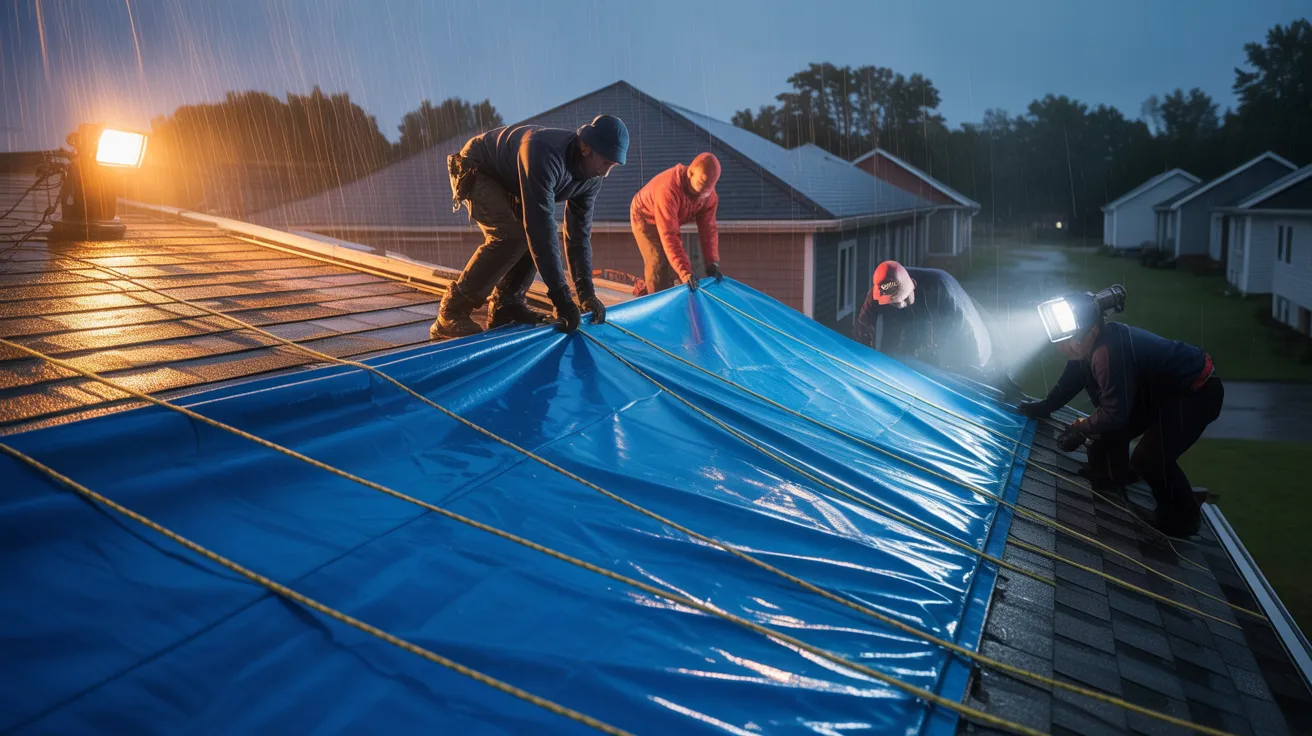
During severe weather events Greater Moncton, you require a rapid and organized solution that secures the roof and preserves the building envelope. We provide immediate assistance delivered by expert crews who assess load paths, locate intrusion points, and establish temporary controls promptly. We deploy tarp solutions designed for high wind uplift, seal penetrations, and fasten flashing to stop active leaks. Our specialists log conditions, take damages, and coordinate emergency communications maintaining coordination with insurance providers and involved parties.
As freeze-thaw weather hits, we execute ice more info mitigation procedures: temperature-controlled steam de-icing, removing drain blockages, and installing temporary heat tracing to maintain proper flow without damaging membranes. After impact events, we perform moisture mapping, structural sampling, and safe debris removal, then develop a comprehensive repair strategy with detailed scheduling and pricing.
Strategic Plans to Maximize Roof Longevity
Strategic maintenance solutions extend service life, control lifecycle costs, and protect warranties. We provide regular assessments tailored to Moncton's freeze-thaw cycles, with periodic reviews that document condition, identify critical fixes, and ensure proper drainage. Qualified staff complete gutter cleaning, sealant replacement, hardware tightening, and selective component replacement to address minor issues before they cause leaks.
We streamline processes: roofing system assessment, initial status documentation, and a maintenance matrix by system configuration, pitch, and environmental factors. You'll receive visual documentation, humidity measurements, and an improvement plan with budget ranges and timelines. Snow burden assessment, seal inspection protocols, and waste removal procedures maintain water flow and minimize heat escape. With ongoing upkeep, you optimize thermal efficiency, avoid emergency callouts, and extend roofing system longevity.
Tips for Evaluating Roofing Contractors
A successful maintenance plan only works if the contractor has the systems and competency to execute it. You must review firms using objective standards. Begin by checking licensed verification, WSIB coverage, and $2M+ liability insurance; obtain certificates directly from carriers. Confirm manufacturer certifications for your roofing system. Assess safety program documentation, COR/SECOR status, and incident history. Analyze scopes line-by-line: substrate prep, flashing details, ventilation, fastener patterns, and disposal. Demand written warranties specifying term, transferability, wind/hail ratings, and workmanship coverage. Evaluate communication responsiveness-ask for a primary contact, response SLAs, and progress reporting cadence. Check project references similar in size, roof type, and season. Lastly, assess financial stability, scheduling capacity, and change-order controls.
Common Questions
Can You Help With Insurance Claims and Adjuster Coordination for Roof Damage?
We offer complete assistance with insurance claims. Our team coordinates insurance coordination end-to-end: documenting damages, work scope verification, estimates that meet code requirements, detailed photo evidence, and project timing oversight. As your adjuster liaison, we attend inspections, review line items in Xactimate, and address discrepancies with well-supported supplements. You stay informed while we manage paperwork, copyright communications, and approvals. We streamline claim resolution, safeguard coverage, and align repair specifications with policy terms and manufacturer standards to achieve optimal outcomes.
Would You Share References From Your Recent Moncton Roofing Projects?
Of course - we'll gladly furnish feedback from recent roofing work in Moncton. Imagine standing at the curb, observing flawless installation and precise detailing - then hearing the homeowner's satisfaction firsthand. You'll receive specifically chosen customer reviews tailored to your roof requirements. We'll include detailed project portfolios featuring schedules, work specifications and technical details, along with guarantee information and inspection certificates. Feel free to connect with our references directly, check project schedules, and assess project photos to validate our workmanship quality and safety protocols.
What Payment Plans and Financing Do You Offer Homeowners?
We offer financing solutions featuring regular monthly payments, special interest-free periods, plus staged payment options. We handle various payment methods including e-transfers, credit cards, and bank drafts; additionally, we work with third‑party lenders for fast approvals and fixed APRs. We provide a clear amortization schedule, no prepayment penalties, and comprehensive scope-based invoicing. We assess your qualification through gentle credit screening, guarantee rates upon agreement, and align payments with project milestones.
What's Your Protocol for Managing Asbestos or Lead Materials Found During Roof Work?
Upon identifying hazardous materials, we pause all work and cordon off the impacted space. Our regulated response plan includes air quality monitoring, containment measures, strict PPE compliance, and proper disposal following provincial and federal regulations. For asbestos-related issues, our qualified specialists utilize negative pressure systems to extract or seal contaminated substances. When addressing lead concerns, we employ wet methods, HEPA filtration systems, and carefully managed removal. We take care of required paperwork and authorizations, with proper disposal tracking and third-party clearance verification, prior to continuing roof installation with complete regulatory approval and minimal impact to your property.
What Safety Protocols Do Your Crews Follow on Active Job Sites?
Your crews strictly adhere to detailed safety procedures on work locations: daily tailgate talks, detailed site risk evaluations, and enforced PPE protocols-hard hats, CSA-approved boots, gloves, eye protection, and respirators as needed. You establish fall protection protocols with protective railings, certified anchoring systems, safety ropes, and full securing measures. You regulate work zones, properly secure supplies, and keep work areas organized to prevent strikes and trips. Supervisors conduct continuous inspections, document compliance, and suspend activities for non-compliance, safeguarding personnel and assets.
Conclusion
Need a roof that stands up to Moncton's challenging weather and safeguard your investment? Here's something to think about: the NRCA indicates that faulty installation leads to up to 47% of premature roof failures-making professional expertise non-negotiable. Choose locally established crews, supplies tested for Atlantic climate challenges, and warranties covering both craftsmanship and materials. Expect transparent estimates, photo-documented inspections, and maintenance programs that extend service life. Evaluate contractors based on safety protocols, airflow design, and service response-so you're ready before the next weather event.